
Orthopedic implants are critical medical devices that directly impact patient recovery, surgical success, and long-term clinical outcomes. Whether you are a distributor, hospital procurement manager, or orthopedic surgeon, selecting the right orthopedic implant manufacturer is one of the most strategic decisions you will make.
With the increasing global demand for trauma and joint reconstruction solutions, the market is filled with numerous suppliers. However, not all manufacturers meet the same standards in quality, regulatory compliance, and production capability. In this guide, we explain how to choose the right orthopedic implant partner and which criteria truly matter.
1. Evaluate Regulatory Compliance & Certifications
Medical devices are strictly regulated worldwide. A reliable orthopedic implant manufacturer must comply with international standards.
Key certifications to verify:
- CE Mark (European Conformity)
- ISO 13485 (Medical Device Quality Management System)
- MDR (Medical Device Regulation – EU 2017/745)
- FDA Registration (if targeting the U.S. market)
- Free Sale Certificate
- Biocompatibility test reports (ISO 10993)
Regulatory compliance ensures:
- Patient safety
- Product traceability
- Access to international markets
- Long-term reliability
A manufacturer without strong regulatory documentation represents significant risk for distributors and healthcare institutions.
2. Assess Manufacturing Capabilities
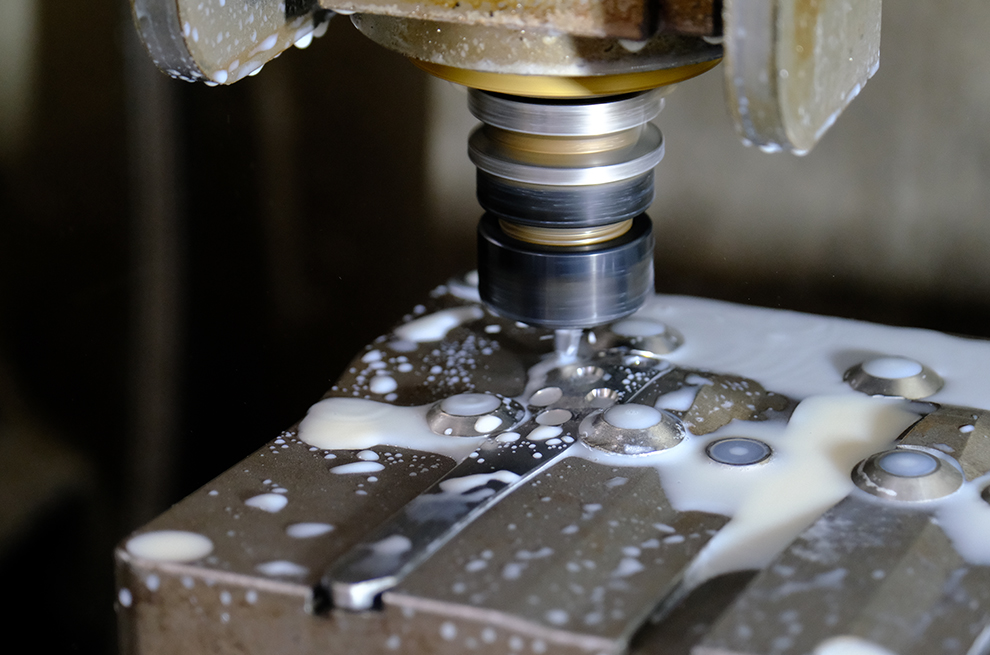
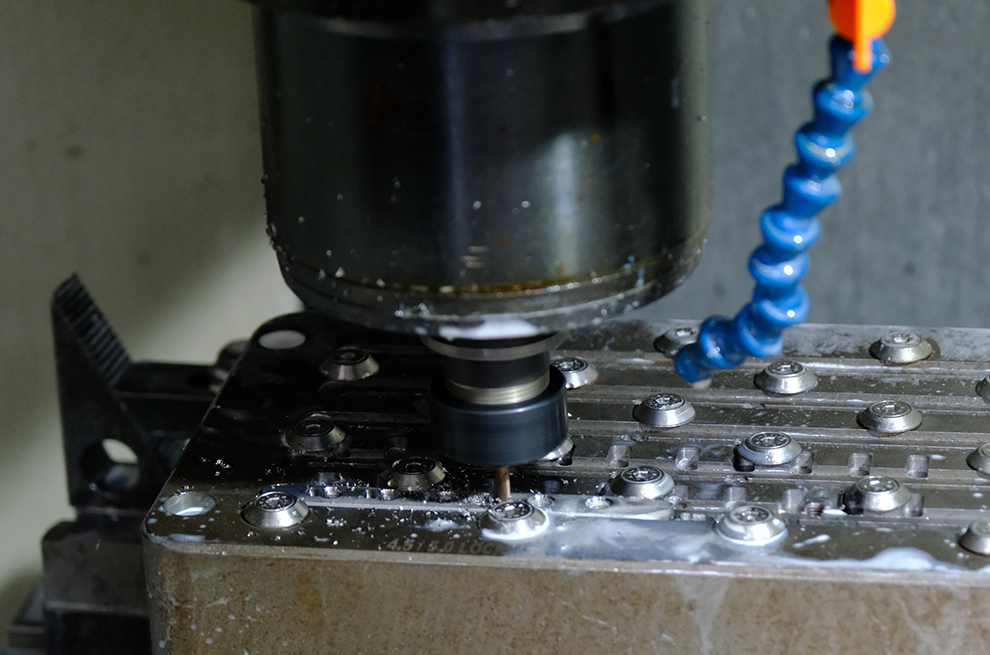
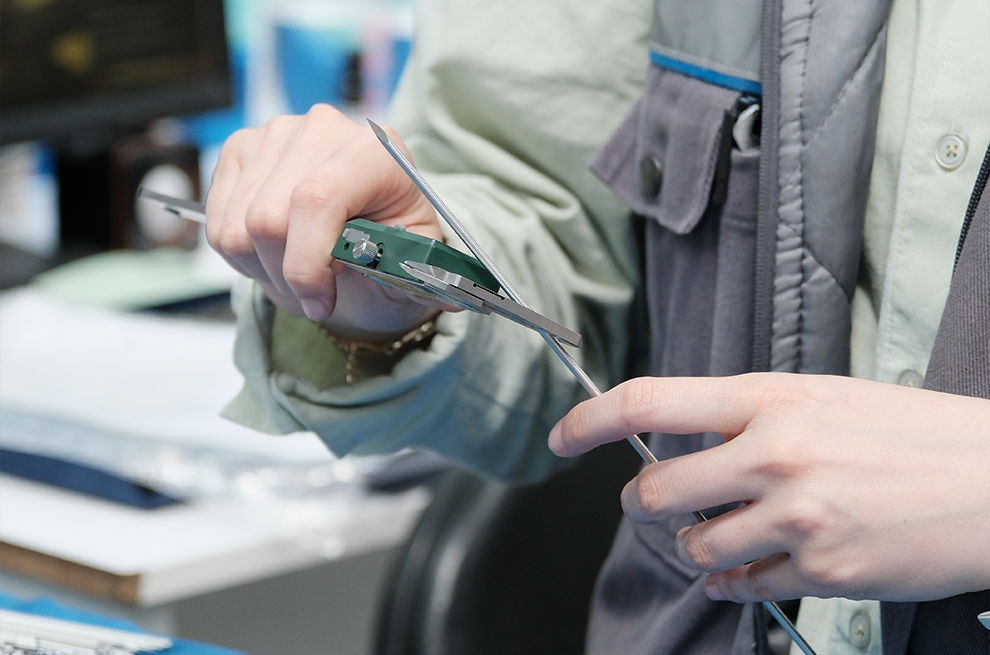
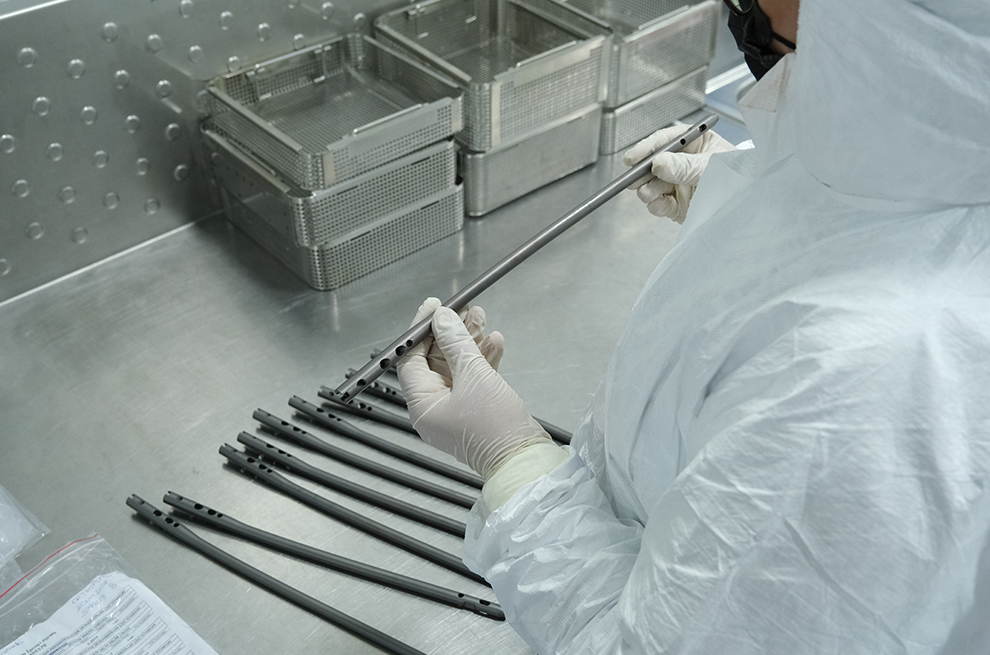
Modern orthopedic implants require advanced production technologies. The manufacturer’s facility should include:
- CNC machining centers
- Surface treatment technologies
- Cleanroom packaging areas
- Quality control laboratories
- Sterilization validation processes
- ERP-based traceability systems
For example, companies such as Aysam Ortopedi ve Tıbbi Aletler invest heavily in precision manufacturing and process validation to ensure every implant meets strict mechanical and dimensional tolerances.
Why this matters:
Implants such as trauma plates, screws, and joint components must perform under extreme biomechanical loads. Production precision directly impacts surgical outcomes.
3. Product Portfolio Breadth
A strong trauma implant supplier should offer a comprehensive product range.
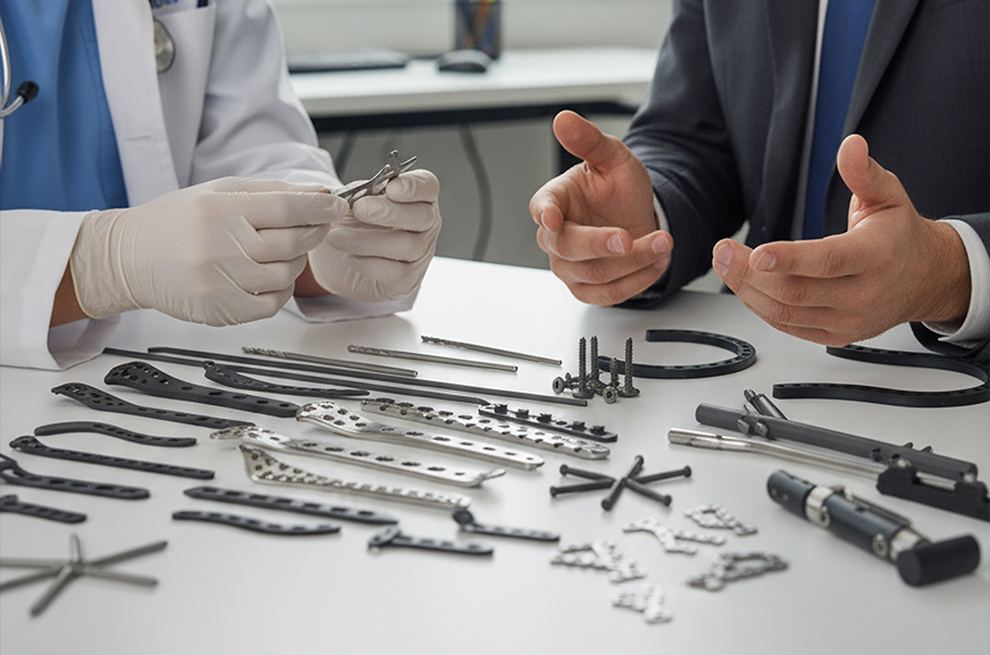
Typical trauma product categories include:
- Locking plates
- Non-locking plates
- Cannulated screws
- Cortical screws
- Intramedullary nails
- External fixation systems
Advanced manufacturers may also provide:
- Total knee systems
- Total hip prostheses
- Surgical instrument sets
- Sterilization containers
A broad portfolio allows distributors and hospitals to work with a single reliable partner instead of managing multiple suppliers.
4. Material Quality & Engineering Standards
Orthopedic implants must be manufactured from certified medical-grade materials:
- Titanium alloy (Ti-6Al-4V ELI)
- Stainless steel (316LVM)
- Cobalt-chrome alloys
Request:
- Raw material certificates
- Mechanical test results
- Fatigue resistance testing reports
- Surface treatment validation documentation
High-quality raw materials combined with precise engineering ensure:
- Long implant lifespan
- Reduced complication rates
- Superior clinical performance
5. Research & Development Capability
Innovation drives the orthopedic industry. A forward-thinking orthopedic implants manufacturer should invest in R&D.
Key R&D indicators:
- Collaboration with orthopedic surgeons
- Integration of clinical feedback
- CAD/CAM design teams
- Prototype testing
- Continuous product improvement
Manufacturers with strong R&D capabilities adapt quickly to evolving surgical techniques and global market expectations.
6. Global Export Experience
International experience reflects reliability.
Evaluate:
- Number of export countries
- International distributor network
- Experience with customs documentation
- Knowledge of international compliance requirements
Companies such as Aysam Ortopedi ve Tıbbi Aletler operate in multiple global markets, providing consistent supply and strong export documentation support.
Global experience reduces operational risks for distributors.
7. Supply Chain & Delivery Performance
Timely delivery is critical in the medical sector.
Ask potential suppliers:
- What is the average production lead time?
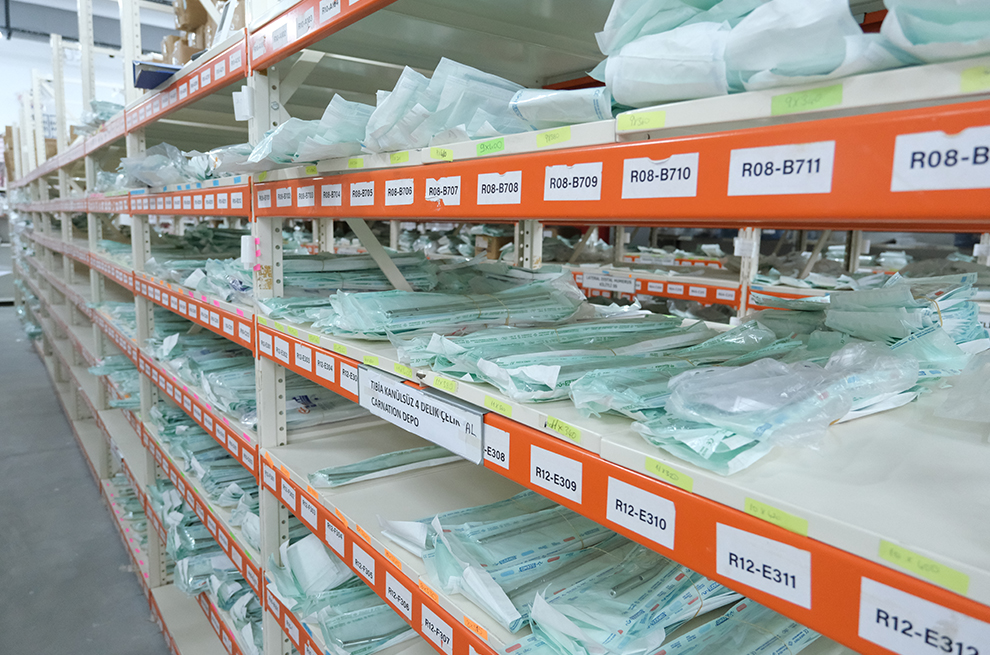
- Do they maintain safety stock?
- How do they handle urgent orders?
- What is their monthly production capacity?
A dependable trauma implant supplier must ensure uninterrupted product availability.
8. Technical Support & After-Sales Service
A true partnership goes beyond product sales.
Strong manufacturers provide:
- Surgical technique guides
- Product catalogs and IFU documents
- Training sessions for surgeons
- On-site or remote support
- Fast responses to technical inquiries
This level of support increases surgeon confidence and strengthens long-term collaboration.
9. Pricing vs. Value Analysis
Choosing the cheapest implant supplier can be risky. Instead, evaluate total value:
- Product durability
- Regulatory security
- Brand reputation
- Clinical reliability
- Support services
A balanced pricing model combined with high-quality production ensures sustainable business growth.
10. Reputation & Market Trust
Finally, reputation matters.
Check:
- References from existing distributors
- Surgeon testimonials
- Years in operation
- Participation in international medical fairs
- Online presence and technical documentation quality
An established orthopedic implants manufacturer builds trust through consistency and transparency.
Why Choose Aysam Ortopedi ve Tıbbi Aletler?
As a globally active orthopedic implants manufacturer and trauma implant supplier, Aysam Ortopedi ve Tıbbi Aletler combines:
- Advanced CNC manufacturing technology
- CE & ISO certified production
- Comprehensive trauma implant portfolio
- Strong export capability
- Surgeon-oriented R&D approach
- High-quality titanium and stainless steel materials
With years of industry experience, Aysam focuses on precision, safety, and long-term clinical reliability.
Final Thoughts
Choosing the right orthopedic implant manufacturer is not simply a procurement decision—it is a strategic partnership that affects clinical outcomes, patient safety, and business sustainability.
When evaluating a trauma implant supplier, focus on:
- Regulatory compliance
- Manufacturing precision
- Material quality
- R&D strength
- Global experience
- Reliable supply chain
A trusted partner like Aysam Ortopedi ve Tıbbi Aletler ensures both technical excellence and long-term cooperation in the orthopedic field.
