


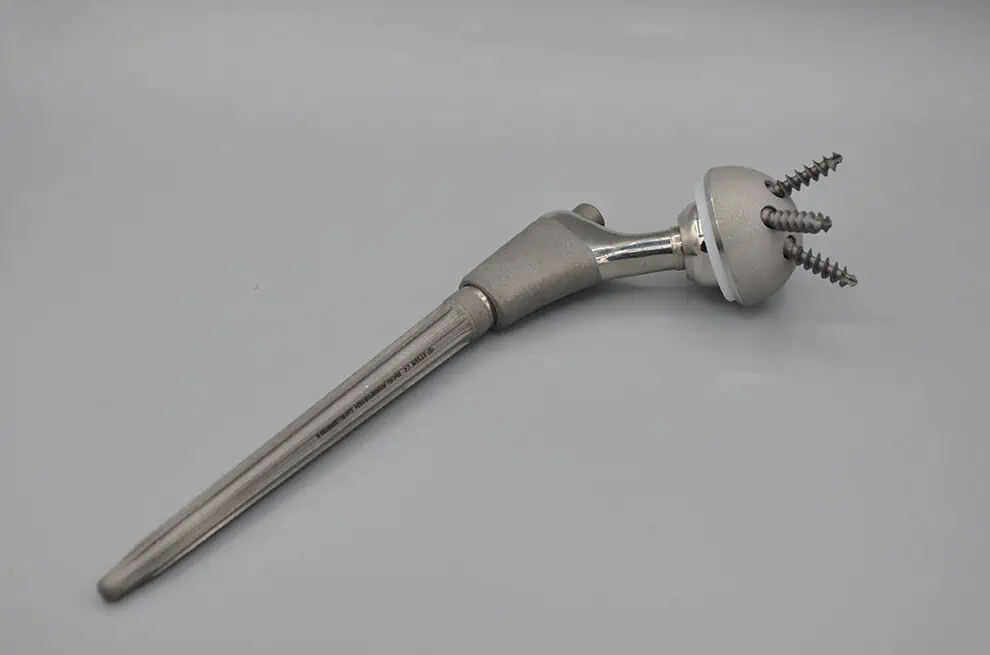
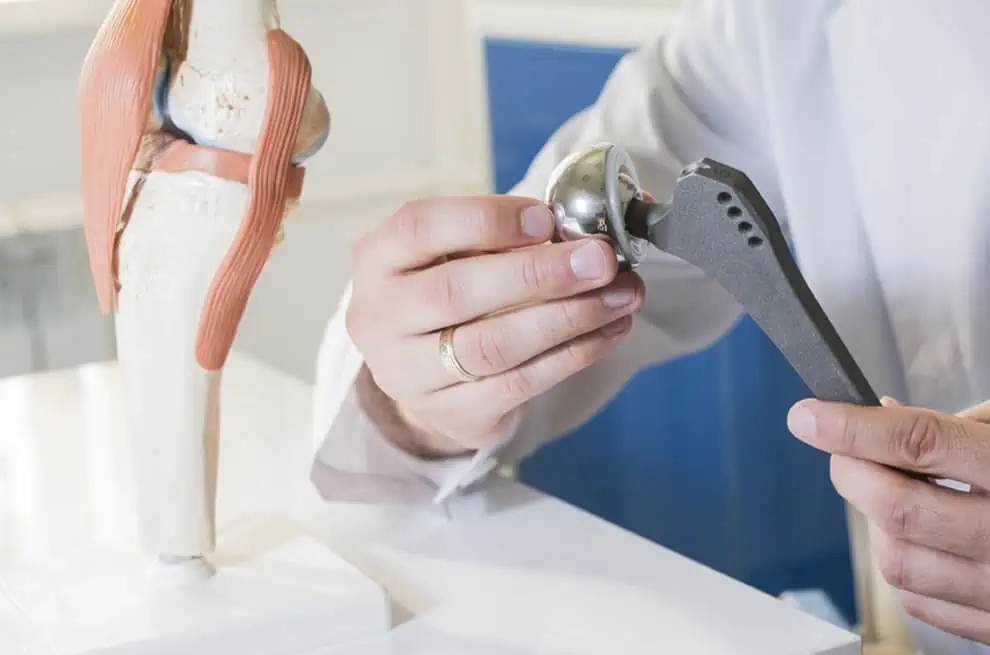
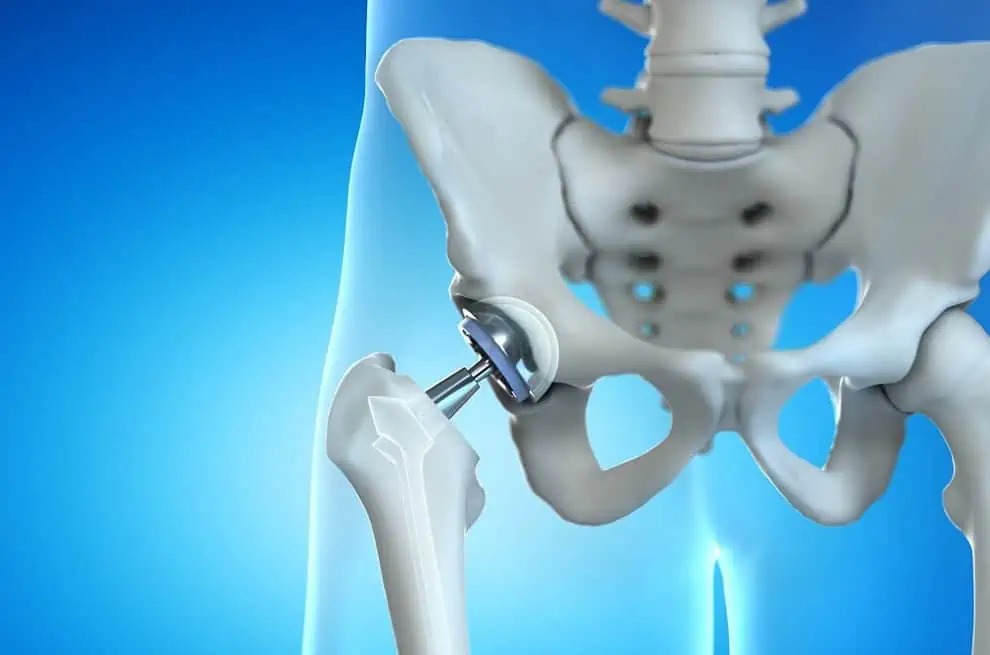
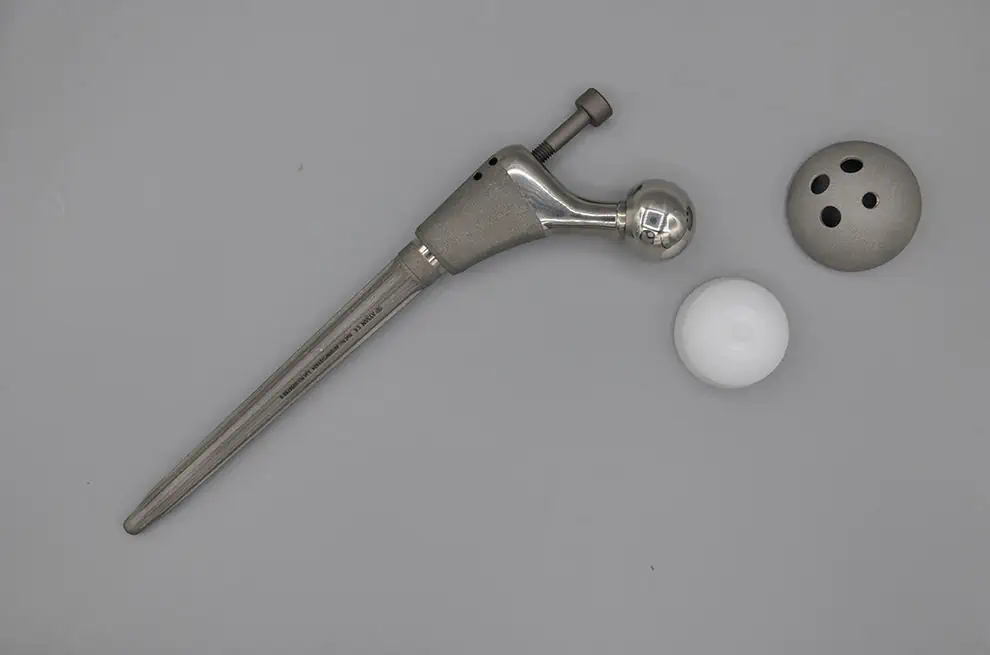
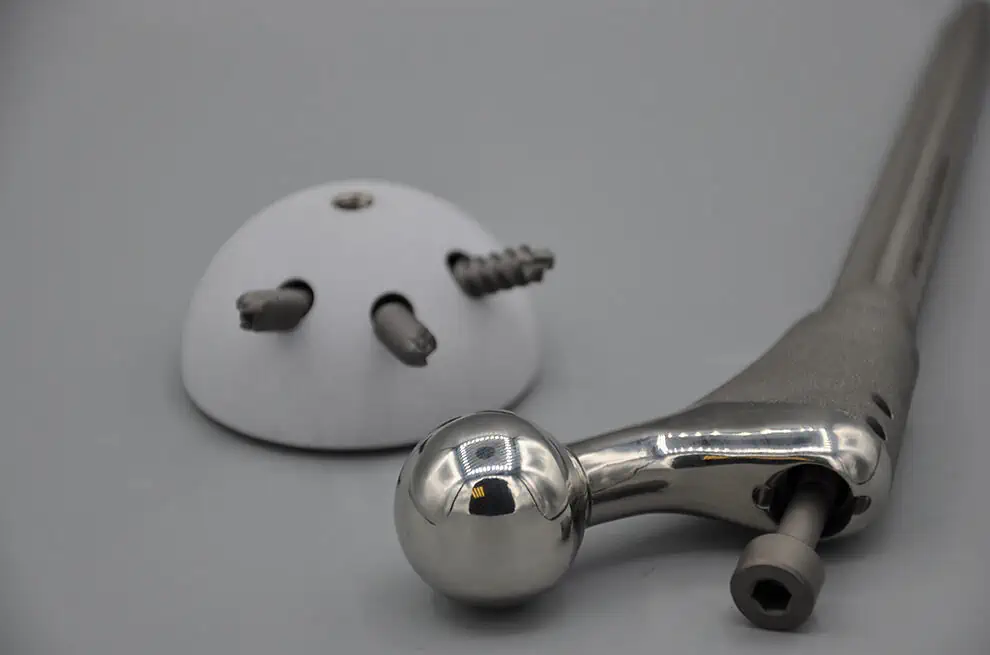
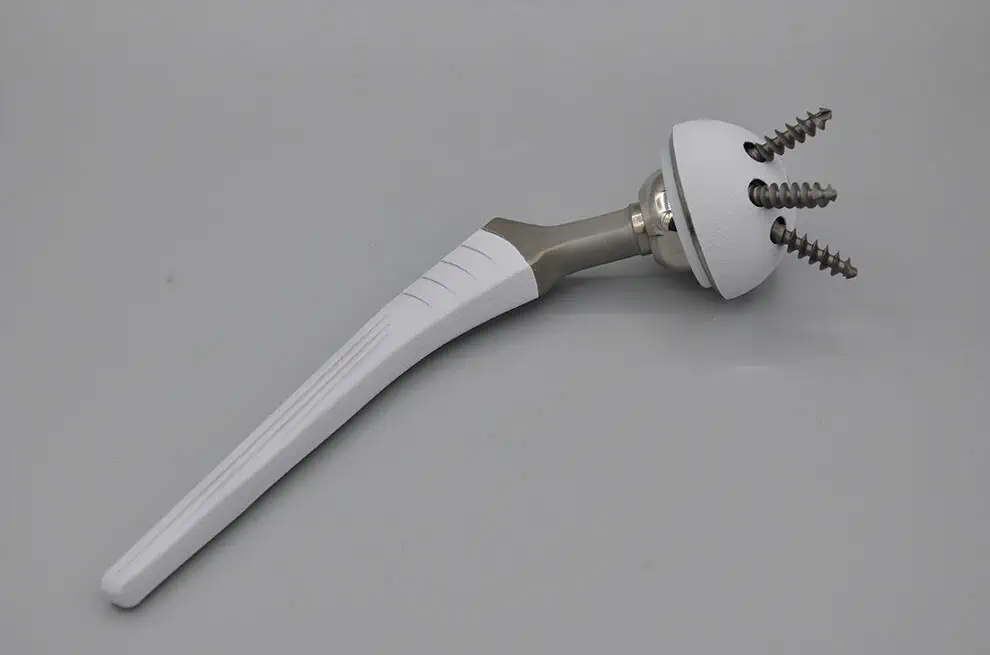
The lifespan of a hip prosthesis varies depending on a number of factors and generally differs according to the individual patient’s condition, age, lifestyle and the type of prosthesis. Hip prostheses are generally long-lasting, but a lifetime durability guarantee cannot be given.
Many factors can affect the durability of a hip prosthesis:
- Prosthesis Material: Hip prostheses are generally made from materials such as metal, ceramic, polyethylene and titanium. Different materials have different durability properties.
- Surgical Technique: The surgical technique used to place the prosthesis can affect how long it lasts. An appropriate surgical technique can help the prosthesis last longer.
- Patient’s Age and Health: General health and age are factors that affect prosthesis durability. Young and active individuals are likely to put more strain on their prostheses, which can cause wear and loosening.
- Activity Level: The patient’s activity level is also important. More active individuals place more stress and load on their prostheses, which can accelerate wear and loosening.
- Prosthesis Type: Different types of prostheses have different durability properties. For example, ceramic materials generally have higher wear resistance and may therefore be preferred, especially in young patients.
- Complications: Infections can be an important complication affecting the durability of the prosthesis. Infections that do not heal may lead to removal and replacement of the prosthesis.
Hip prostheses are generally very long-lasting, but sometimes a prosthesis may require revision surgery due to wear, loosening or other causes. Patient and surgeon should stay in regular contact regarding the durability of the hip prosthesis, and the patient should seek professional help as soon as any problem arises.