


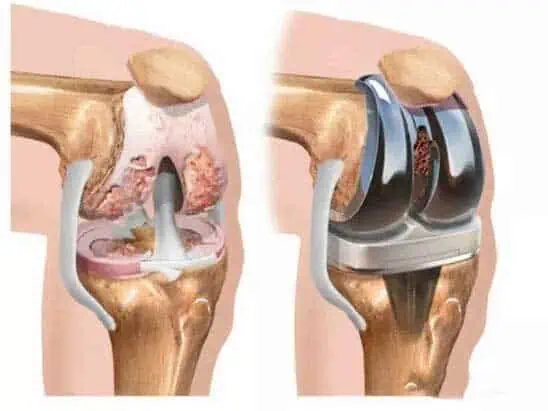
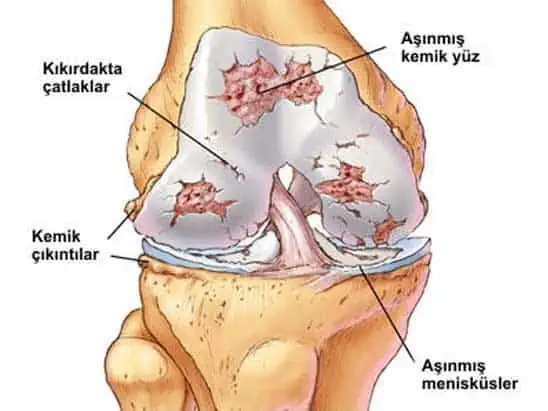
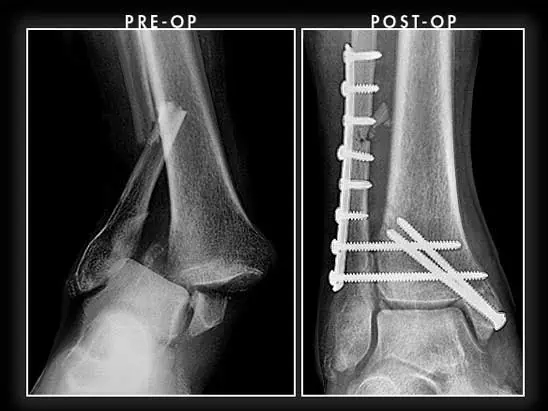
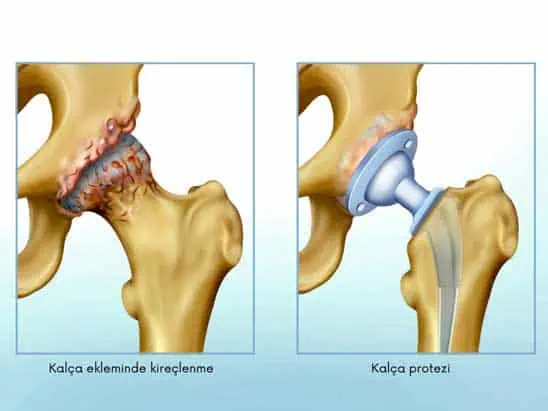
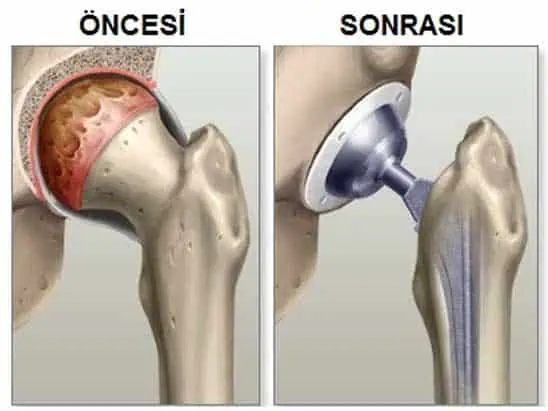
In Turkey, “platin” (literally “platinum”) is the popular name for implants placed inside the body to treat bone fractures and joint degeneration (arthrosis; coxarthrosis, gonarthrosis, etc.). They are generally produced from biocompatible metal alloys, plastics, ceramics and similar materials.
Orthopedic implants, popularly called “platin”, are produced in different shapes, sizes and dimensions according to the anatomy of the bones and the configuration of the fractures. Temporary implants of this kind, or temporary orthopedic implants, are used in fracture patients to fix the fractured fragments after the position of the fractures has been corrected.
Joint implants (prosthesis/arthroplasty products), also called permanent orthopedic implants, are used to treat joint degeneration (arthrosis): after the damaged joint cartilage and bone structures are cut, drilled and shaped according to specific geometries, they are placed without bone cement and serve as an artificial joint.
Contrary to popular belief, the orthopedic implants called “platin” are not made from platinum, the chemical element shown with the symbol Pt in the periodic table. The raw materials most widely used in orthopedic implant manufacturing are stainless steel and titanium alloys; polyethylene, PEEK, ceramics and similar materials are also widely used.
Can an Implant Removed from the Body Be Sold?
Orthopedic implants, popularly called “platin”, are single-use. They must not be reused. Used orthopedic implants have no economic value other than as scrap, and such used implants should not be sold or offered for sale.